
Four decades of people & places & process & ideas & culture
Ideas
Making the big picture useful
Over four decades, Urban Strategies has continually developed and communicated ideas that connect the larger picture with the experience of everyday places.
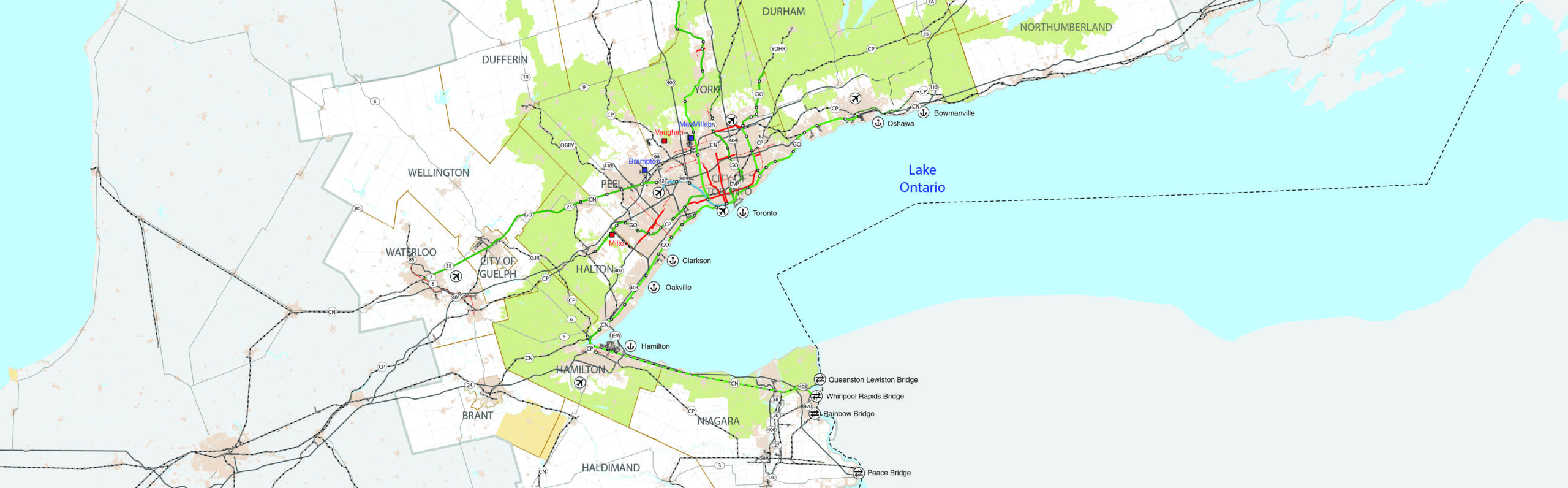
Major contributions to the 2006 Growth Plan for the Greater Golden Horseshoe and Metrolinx’s 2008 Big Move helped connect the dots between growth, intensification and transportation at a critical moment in Canada’s fastest-growing region. This work has continued, as we have advised agencies: Toronto Pearson examined the airport’s relationship with regional mobility, employment and infrastructure investment. Agencies such as Metrolinx, Infrastructure Ontario, and the Ministry of Transportation have continually trusted Urban Strategies to help create, interpret and apply policy as the region navigates the more than CAD$80 billion in transit investment, bringing new rapid transit to established neighbourhoods, supporting the creation of entirely new communities, and changing how people move between homes, jobs, services and destinations.


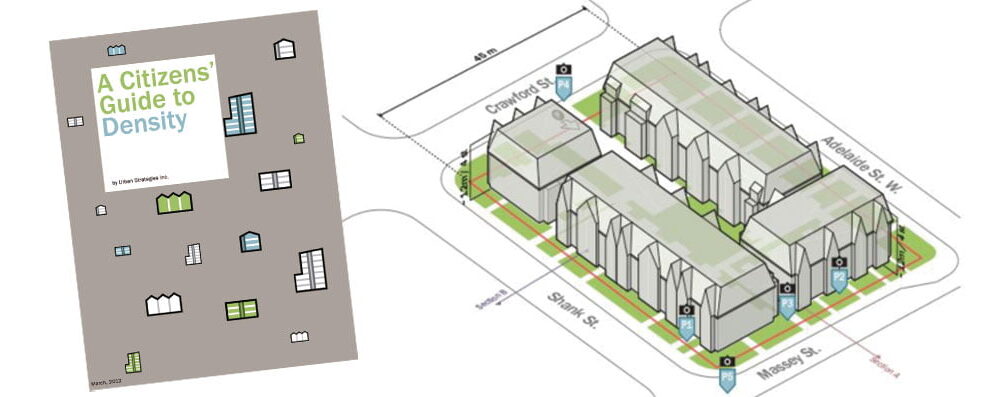
Design guidance translates these broader objectives into practical decisions on how communities adapt. Toronto’s Tall Buildings Guidelines, Growing Up and Markham’s Age-Friendly Design Guidelines consider how development can better support people at different stages of life. The Citizens’ Guide to Density makes a technical subject accessible through imagery and recognizable precedents of buildings and neighbourhoods.


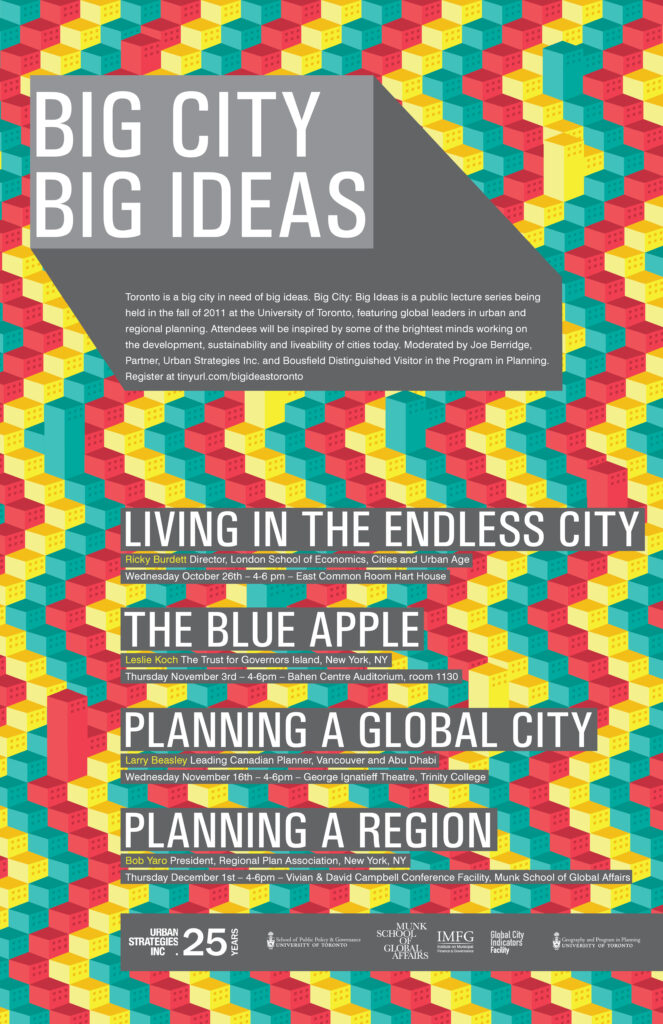
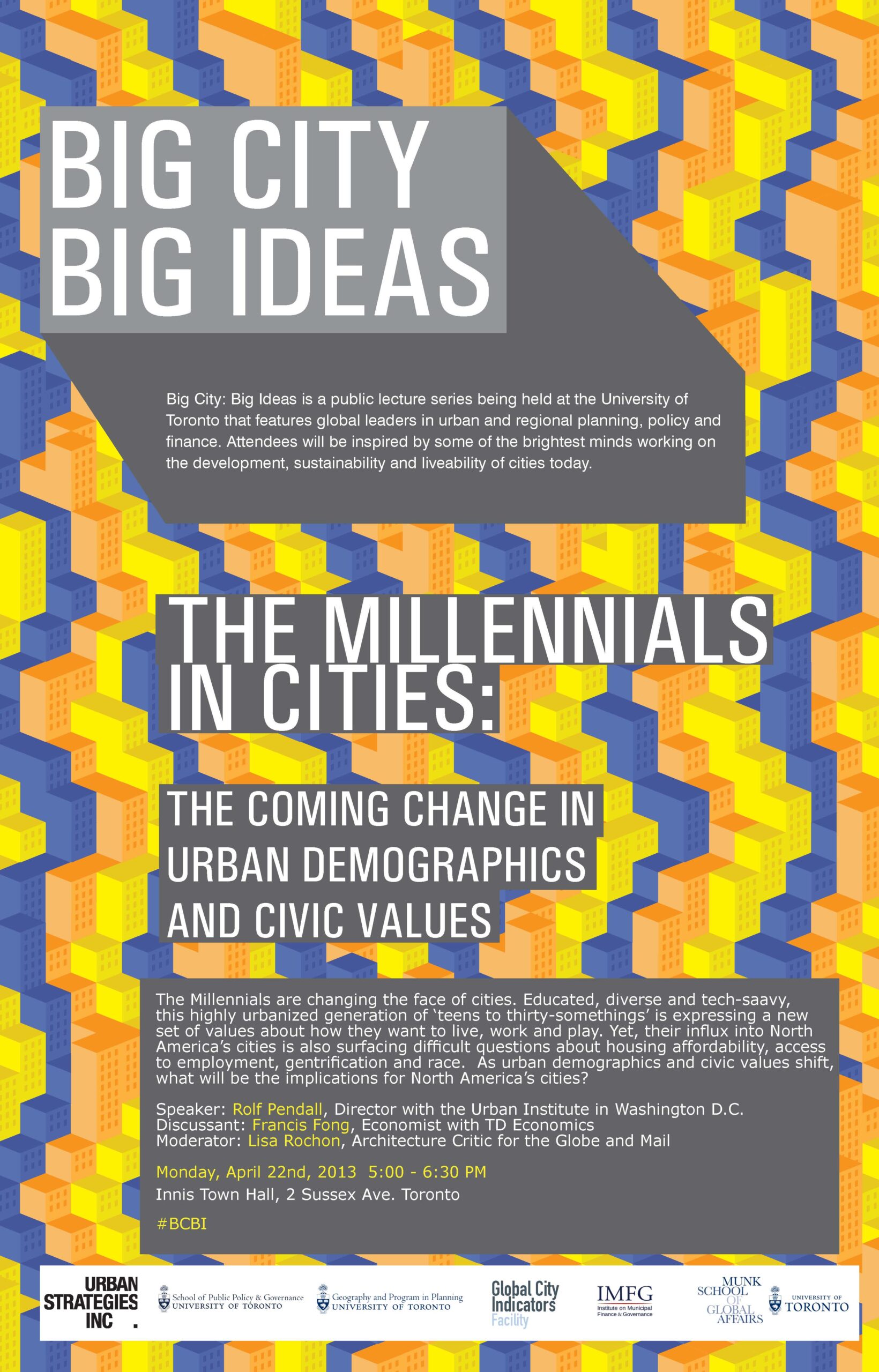
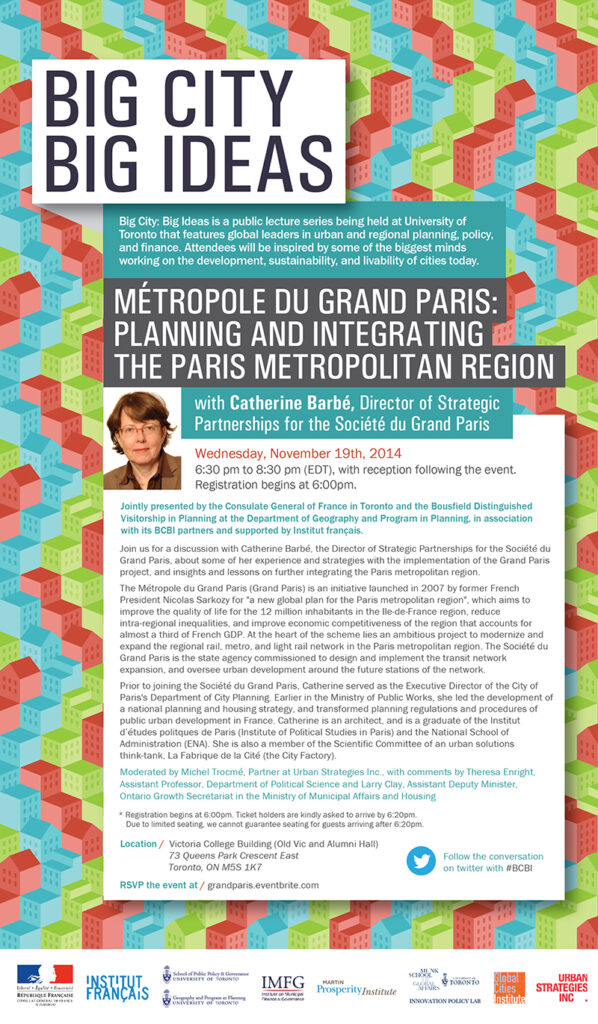
Exchange of ideas has also been central to our approach. Established for the firm’s 25th anniversary in 2011, Big City Big Ideas was a lecture series spanning several years that invited international urban thinkers into public discussion at the University of Toronto. Continuous teaching, writing and professional dialogue continue that exchange, connecting project experience with research and emerging perspectives.
This body of work is an important part of the anniversary: ideas developed through practice have reached audiences well beyond their original assignments and advanced the urbanist dialogue worldwide.
The next generation of urban questions will demand the same openness and clarity. We look forward to testing established approaches, learning from other places and making new thinking useful to the people shaping cities. The strongest ideas will continue to develop through their application and the questions they provoke.